F1
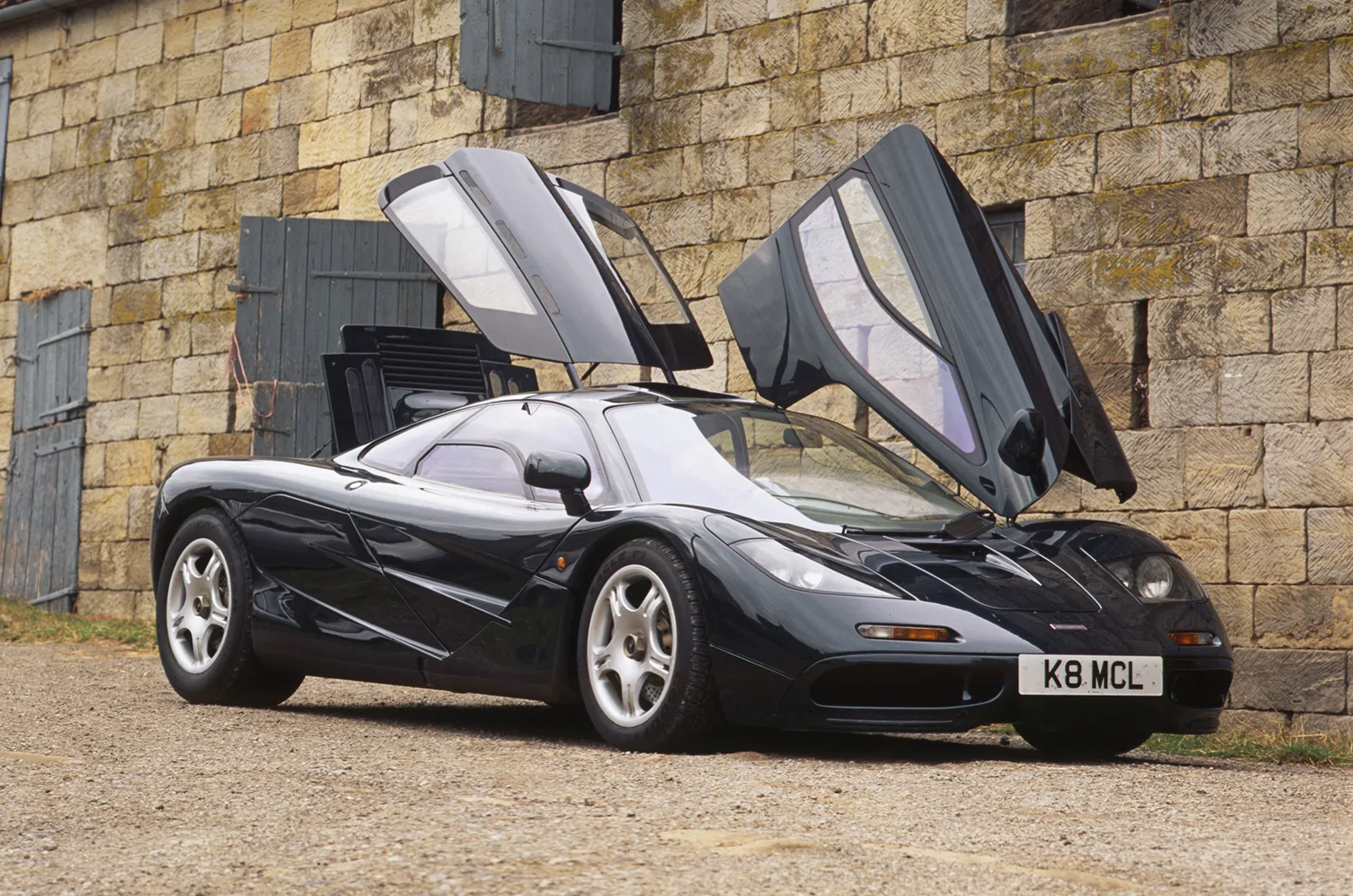
The McLaren F1 was the only road car designed with no compromises. Nobody to answer to, no cost limits, just Gordon Murray's vision of building the purest road car ever made. Murray conceived the idea on a flight home from the 1988 Italian Grand Prix, and the brief was simple: go all out. They spent over five years working on the car, and only 106 were ever made.
What is remarkable is that in the 1990s, this was the car that set the standard for today. The carbon fiber monocoque tub was unheard of in a production car, as most cars of the era were built from fiberglass or aluminum. That construction is now standard on cars from Pagani, McLaren, and even the Alfa Romeo 4C, but the F1 was the first production car to do it. The central driving position, with the driver seated in the middle and two passengers behind, was equally radical. Gordon Murray revisited the concept decades later with the Gordon Murray T.50, and it still stands as one of the most distinctive cockpit designs in automotive history. The engine bay was lined with gold foil, the same material used on spacecraft, to reflect heat away from the V12. Roger Bell, writing for Car Magazine in 1994, drove the car with no minder and no demonstration lap and described how it humbled icons like the Ferrari F40, the Porsche 959, and the Jaguar XJ220, reaching 100 mph in under eight seconds. (1) The top speed record of 391 km/h set in 1998 stood for over a decade before the Bugatti Veyron took it.
(1) Bell, Roger. "McLaren F1 Review: Our Original 1994 Road Test." Car Magazine, June 1994.
Primary source for this gallery: Cropley, Steve. "McLaren F1: Full Test." Autocar, May 11, 1994..
Featured
Selected artifacts
 6 pages
Autocar McLaren F1 Road Test, May 1994
This magazine photograph was published by Autocar's editorial team (article by Steve Cropley) on May 11, 1994 in Autocar magazine's road test "McLaren F1: Full Test of World's Greatest Supercar". It shows one of the first magazine reviews where some of these special creators got a look at this car and were able to test it themselves and give an honest review. This magazine includes many key details of the car, specific specs, and in-depth pictures. I found this source at https://www.autocar.co.uk/car-review/mclaren/f1. This artifact is significant to my exhibit because it shows what the era really thought of what this car was, and what people were reading about this car, because this is what true car enthusiasts would see and read to know what was going on. The review was completely remarkable about the kind of performance the car had, they even described it as the best day of their lives driving this car.
Autocar, McLaren F1 Road-Test Photograph, May 11 1994.
 7 pages
Car Magazine June 1994 McLaren F1 Road Test
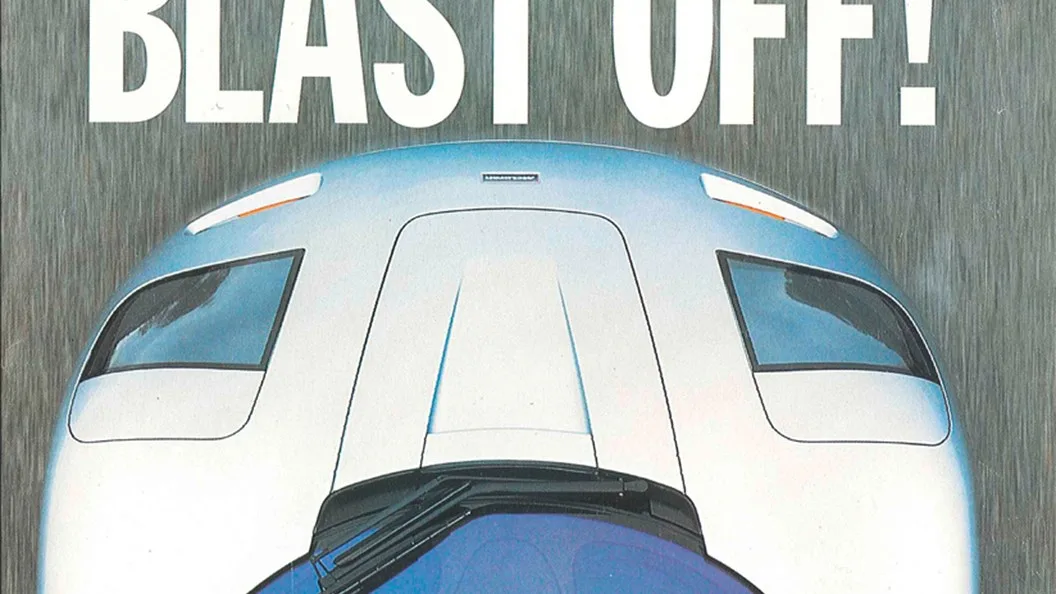
This magazine scan was published by Car Magazine (Bauer Media) in June 1994, with the cover and six interior road-test spreads scanned by Bauer Media for their online archive. It shows another magazine that got to look at the McLaren and got to see what it was like. Here you can see some of the pictures of the McLaren with some famous people driving it, and some of those details of the interior that kind of show the age, even though the exterior really doesn't. I found this source at https://www.carmagazine.co.uk/car-reviews/magazine-reviews/the-first-mclaren-f1-review-car-magazine-june-1994-supercar-test/. This artifact is significant to my exhibit because it really just goes to show the true creativity that went behind this car.
Car Magazine, June 1994 cover.
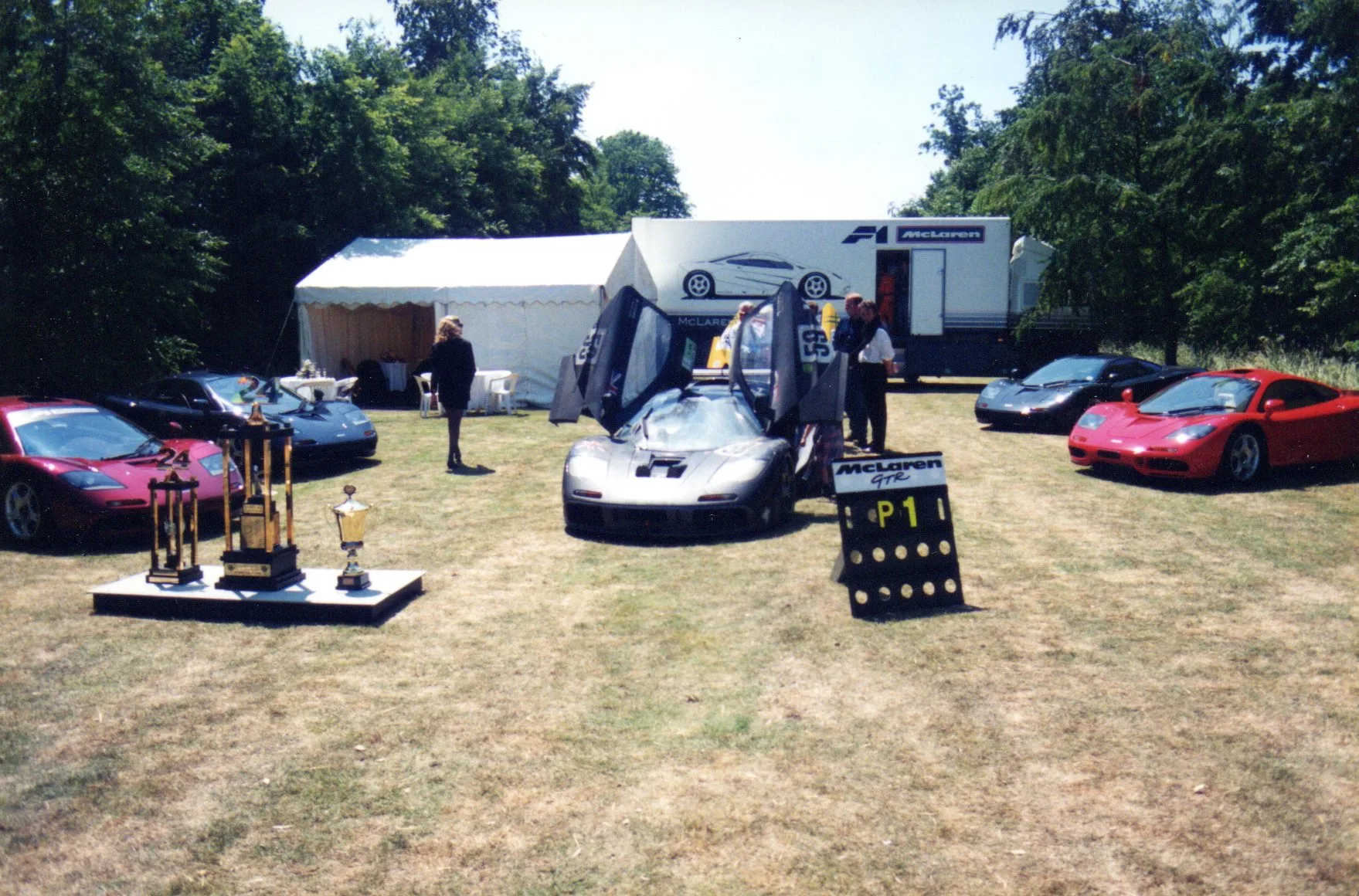
This photograph was taken by Spycatcher58 (Wikimedia Commons contributor) at the Goodwood Festival of Speed (post-1995) and archived at Wikimedia Commons under CC BY-SA 4.0. It shows the Le Mans-winning championship McLaren F1 GTR, alongside some of the other McLaren F1 models, including the LM and the regular McLaren F1. This was at the Goodwood Festival of Speed, and this was the Le Mans-winning car. This source is held at https://commons.wikimedia.org/wiki/File:1995_Le_Mans_winning_McLaren_F1_GTR_display_at_Goodwood_Festival_of_Speed.jpg. This artifact is significant to my exhibit because it's really just a piece of technology for the time period, it was a race car at heart, and that's why it went to win Le Mans and why it was such a crazy car. It's just something that had to be in this exhibit.
Spycatcher58, *1995 Le Mans-Winning McLaren F1 GTR at Goodwood Festival of Speed*, Wikimedia Commons, CC BY-SA 4.0. (CC BY-SA 4.0) [Source]
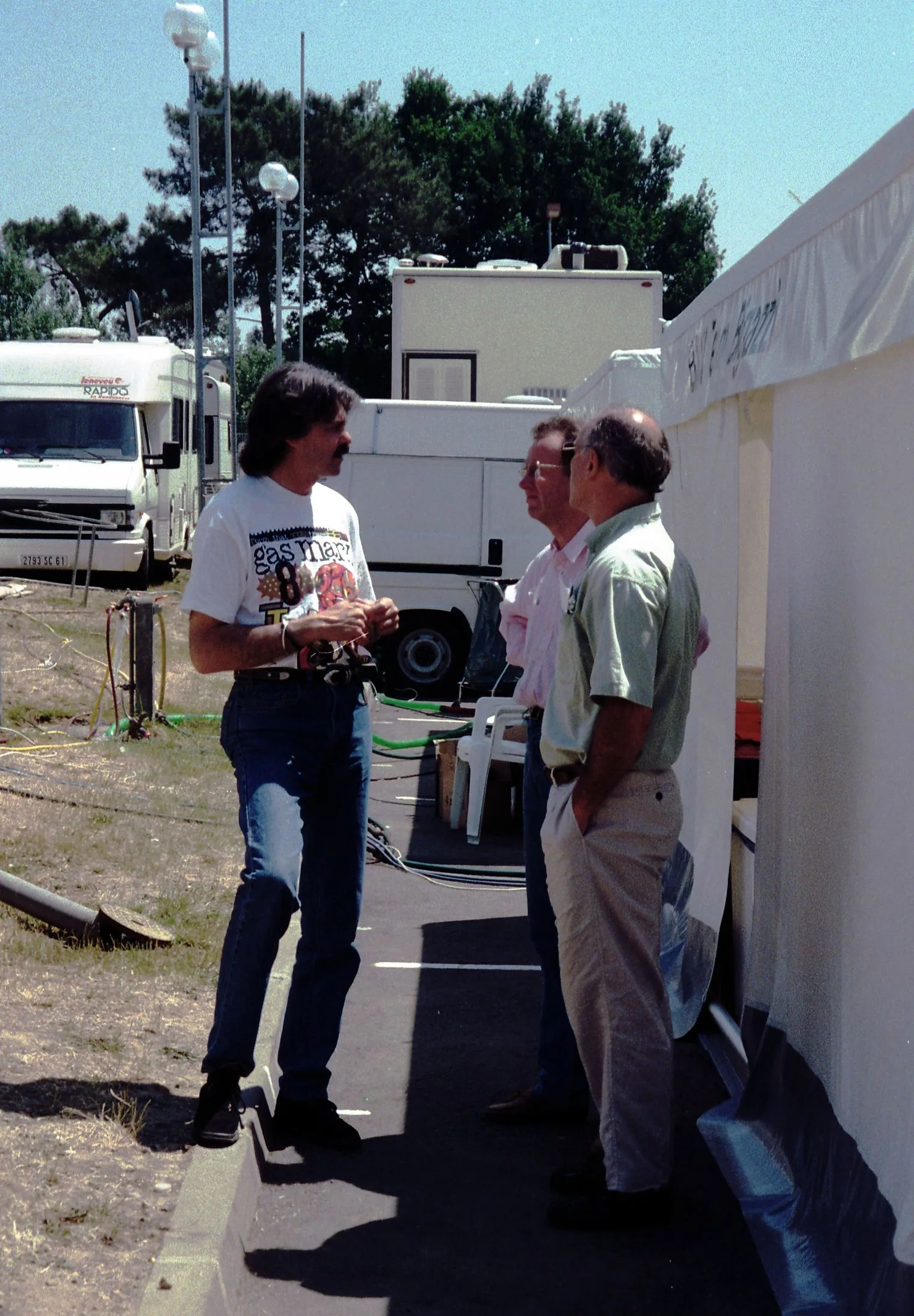
This photograph was taken by Martin Lee in 1996 and archived at Wikimedia Commons via Martin Lee's Flickr account, under CC BY-SA 2.0. It shows a picture of Gordon Murray at the Le Mans paddock. This source is held at https://commons.wikimedia.org/wiki/File:Gordon_Murray_chats_in_the_paddock_behind_the_pits_at_the_1996_Le_Mans.jpg. This artifact is significant to my exhibit because I just wanted to throw this in here to kind of see the type of people that put their energy into this car. You might just see them as regular people, and they were, but they had a vision for what truly defined this car.
Martin Lee, *Gordon Murray in the Paddock at the 1996 Le Mans*, 1996, Wikimedia Commons, CC BY-SA 2.0. (CC BY-SA 2.0) [Source]
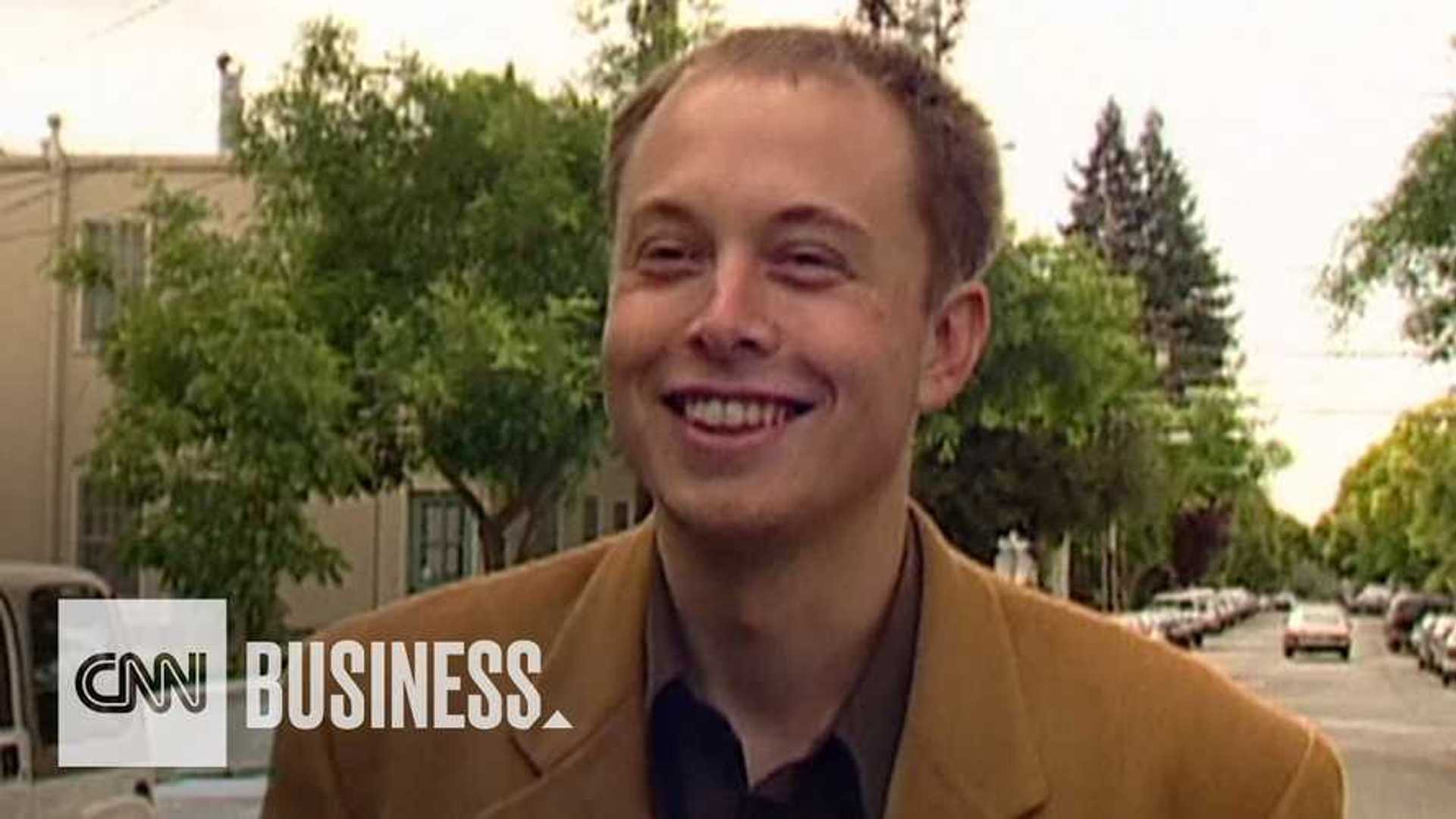
This video still was broadcast by CNN in 1999 as part of a 1999 news segment, with stills republished by InsideEVs in January 2021. It shows 28-year-old Elon Musk taking delivery of his McLaren F1, after he sold his first company, and CNN did coverage of it. I found this source at https://insideevs.com/features/465537/elon-musk-getting-delivery-mclaren-f1/. This artifact is significant to my exhibit because that's just how crazy of a car this was, Elon Musk back then was a visionary, but he wasn't even what he is today. They still covered this not necessarily for Elon, but for the car, because of how much of an impact this had on the community and the people that were buying these cars. A regular person could not afford this.
CNN archival footage, Elon Musk Takes Delivery of His McLaren F1, 1999. (Fair use (editorial) - CNN) [Source]
 5 pages
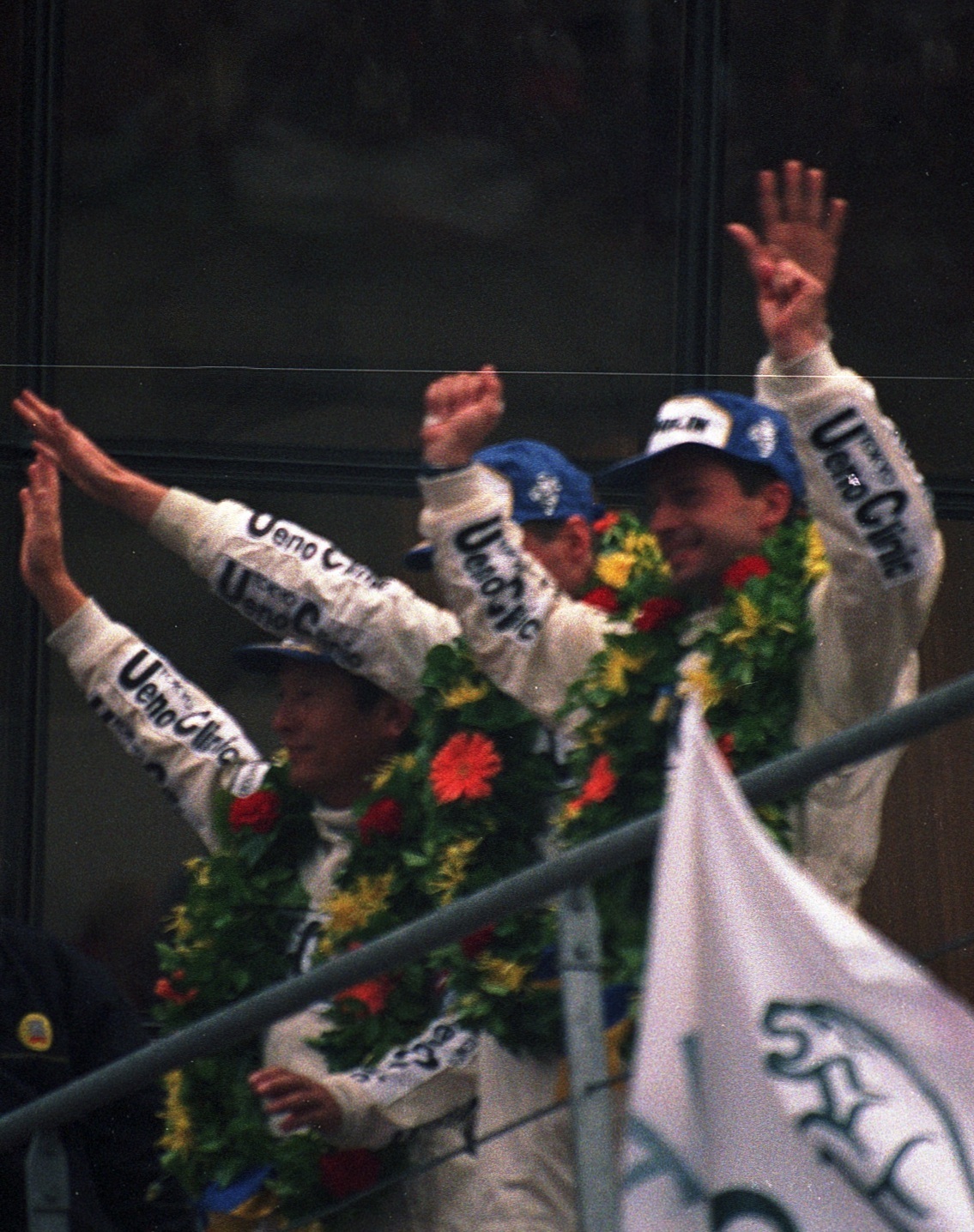
1995 Le Mans Podium
This photograph was taken by Martin Lee (with one Goodwood photograph by Spycatcher58) on June 11, 1995 and archived at Wikimedia Commons via Martin Lee's Flickr archive, under CC BY-SA 2.0. It shows pictures of the 1995 Le Mans podium, when the drivers were able to win with the McLaren F1 GTR. This source is held at https://commons.wikimedia.org/wiki/File:The_wining_Mclaren_F1_GTR_-59_team_of_Yannick_Dalmas,_Masanori_Sekiya_%26_J.J.Lehto_on_the_podium_at_Le_Mans_1995_(49627444137).jpg. This artifact is significant to my exhibit because it gives a real perspective into the emotion and drive that racing has, and how this impacted more than just the car community, but even racing itself.
Martin Lee, Winning McLaren F1 GTR #59 Team on the Podium at Le Mans 1995, June 11 1995, Wikimedia Commons, CC BY-SA 2.0.
Gallery
Additional artifacts
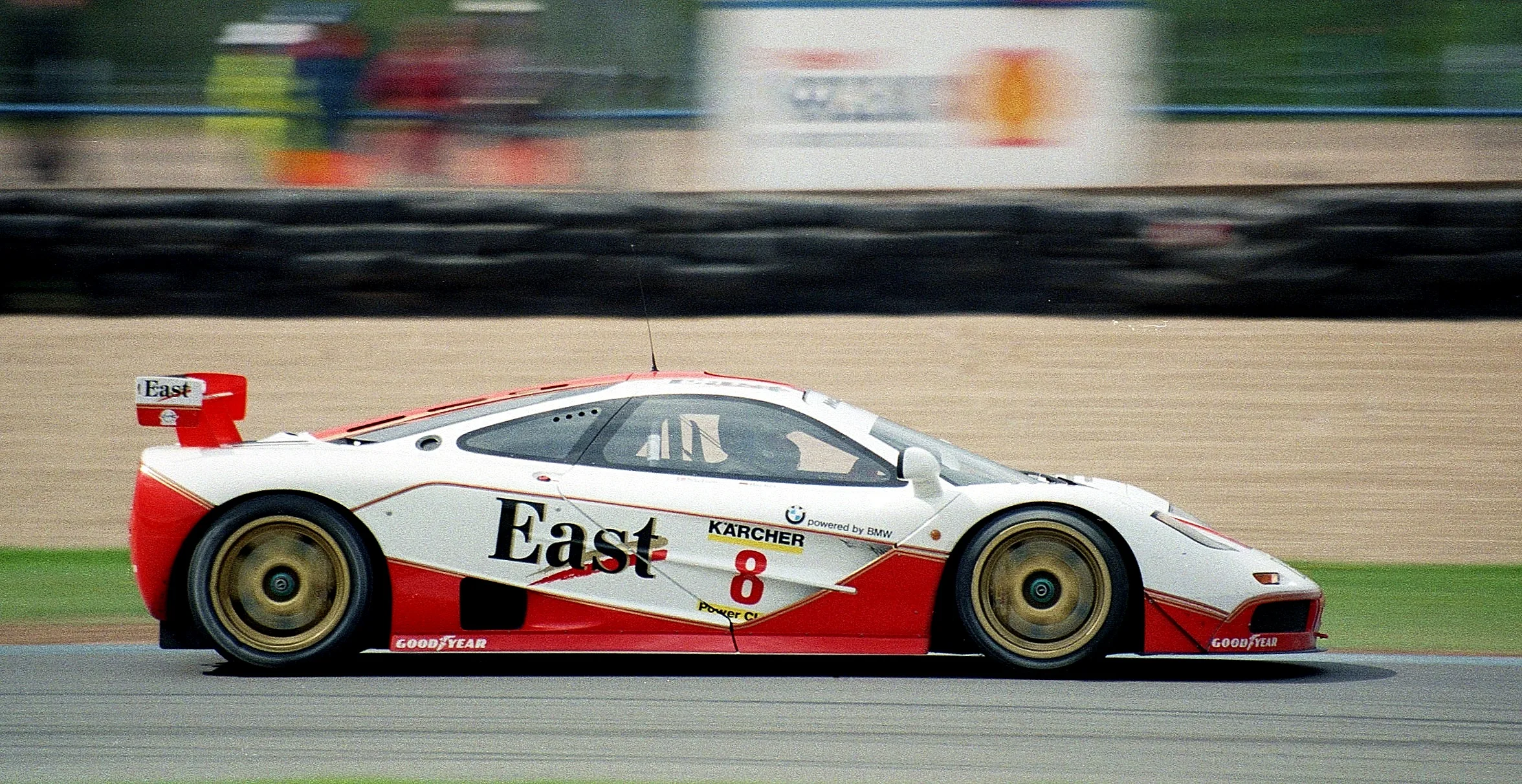
Martin Lee, *McLaren F1 GTR, Nielsen and Bscher at Donington, 1995*, 1995, Wikimedia Commons, CC BY-SA 2.0. [Source]
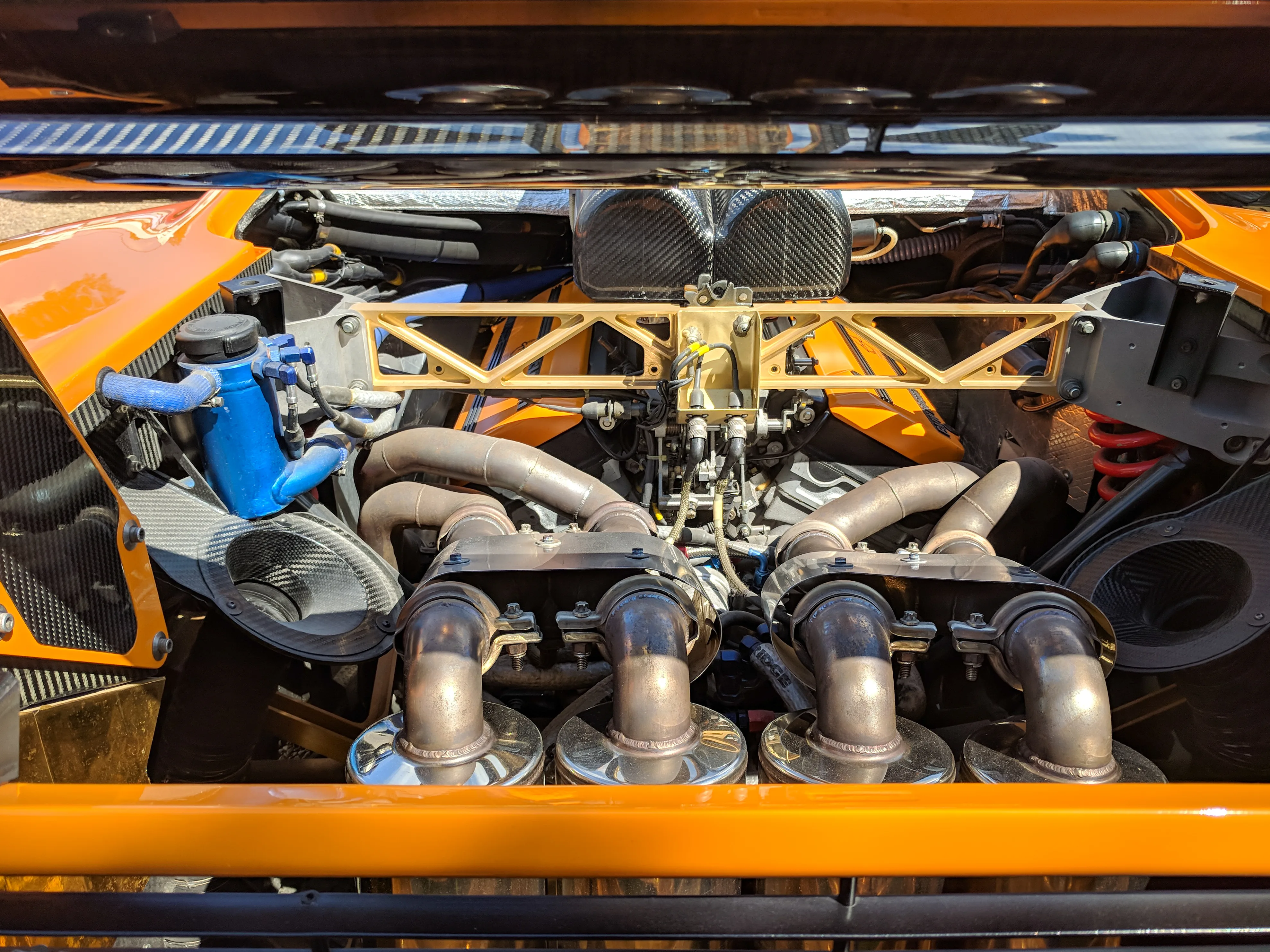
Chelsea Jay, *1995 McLaren F1 LM Engine Bay*, 2018, Wikimedia Commons, CC BY-SA 4.0. [Source]
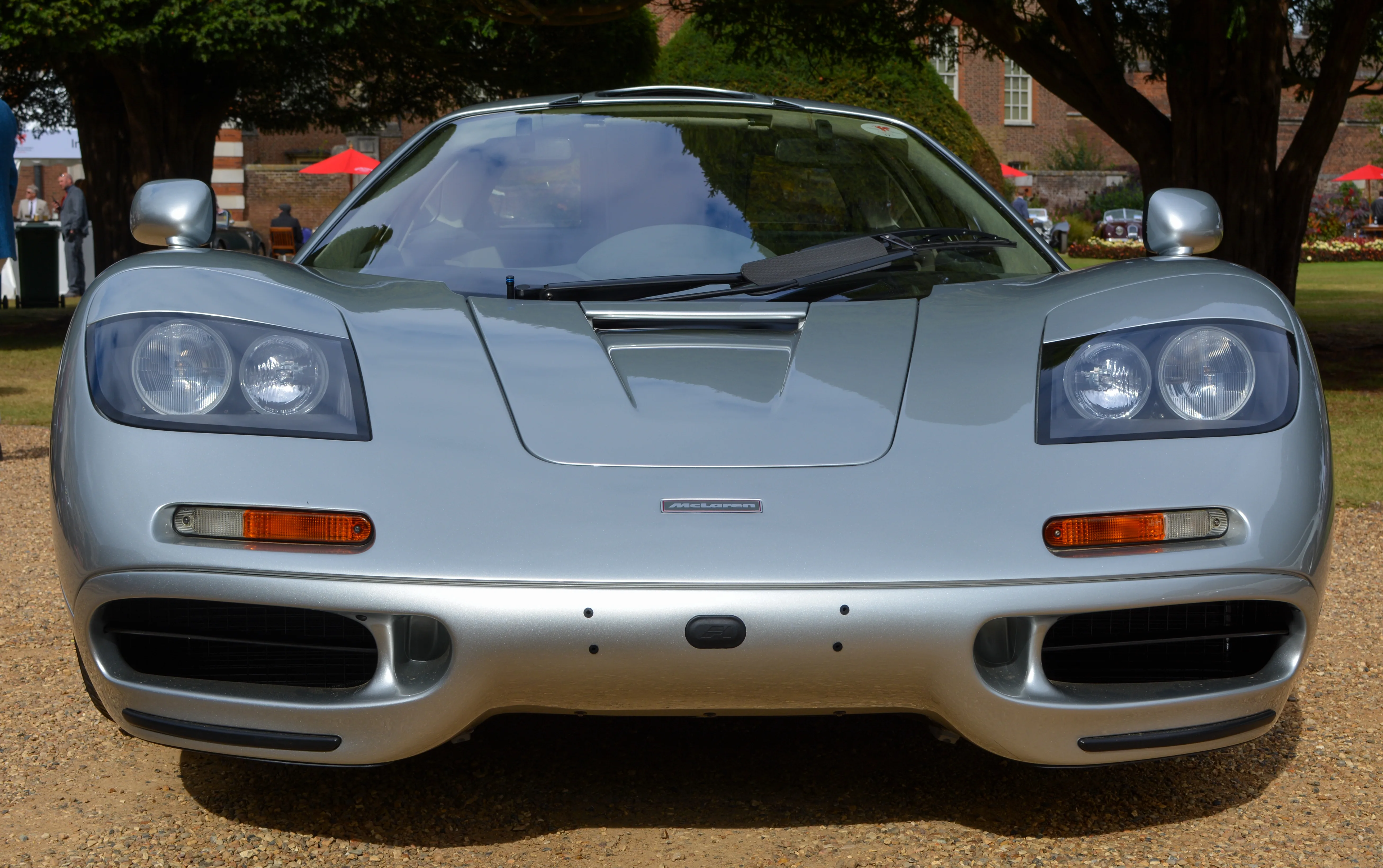
Chelsea Jay, *1996 McLaren F1 Chassis No. 63 Front End*, 2019, Wikimedia Commons, CC BY-SA 4.0. [Source]