Veyron
Volkswagen Group boss Ferdinand Piech revived the Bugatti brand in the late 1990s with one goal: to build a car that outdid everyone. With cars like the McLaren F1, the Porsche 959, and the Ferrari F40 already setting the benchmark, Bugatti needed their own statement. The target was 1,000 horsepower, a cost of one million euros, and a top speed over 400 km/h. The engineers thought it was impossible. They failed for eighteen months, Bugatti's project director was fired, and new leadership came in and rebuilt 95% of the car from scratch. Production eventually ran from 2005 to 2015, with 450 total units built.
The W16 engine that powers the Veyron is effectively two 4.0-litre V8s sharing a single crankshaft, a configuration that had never existed before in a production car. To illustrate just how fast this car is: if a Veyron started ten seconds after a McLaren F1, both cars would reach 200 mph at exactly the same time. That gap represents a decade of engineering progress, and the Veyron absorbed all of it. Despite weighing nearly 1,900 kg and producing more power than any F1 car at the time, Matt Prior of Autocar described it as surprisingly easy to drive around town, which is not something easily said about a 1,000 horsepower car. (4) Most high-horsepower cars are difficult to handle in normal conditions and the Veyron made it feel manageable. It was not cheap to run, with all four tires costing around 23,500 pounds and a routine service running 14,000 pounds, more than a Ferrari Enzo's annual bill. But that precision and cost was the point. The world did not need this car. Bugatti brought it anyway, and in doing so it defined its era, the era of record-breaking, luxury, and pure engineering horsepower.
(4) Prior, Matt. "Used Bugatti Veyron 2005-2015 Review." Autocar, August 6, 2014.
Primary source for this gallery: Cropley, Steve. "Bugatti Veyron 2005 First Drive." Autocar, 2005..
Featured
Selected artifacts
 6 pages
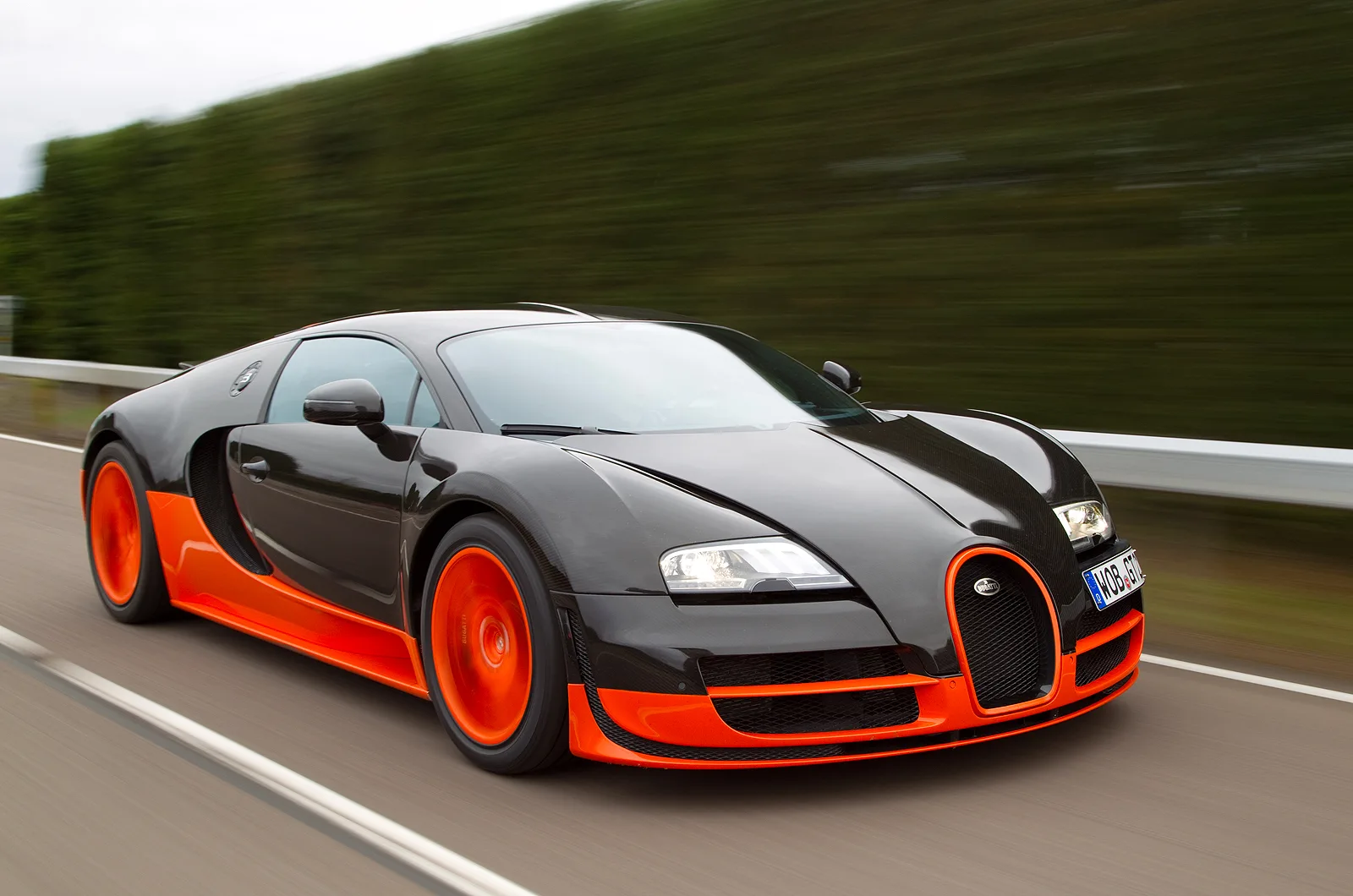
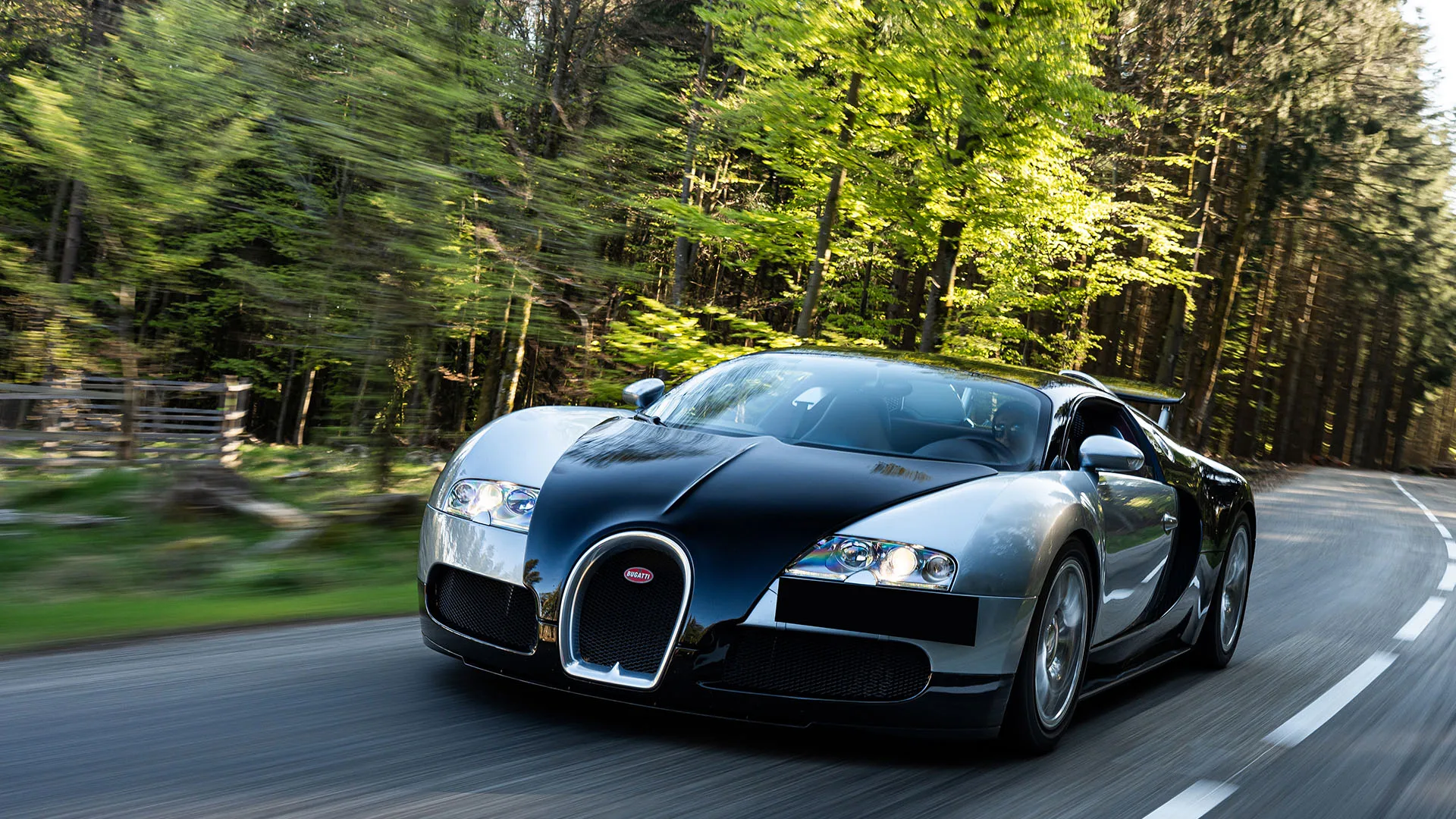
Autocar Bugatti Veyron First Drive, 2005
This magazine photograph was published by Autocar's editorial team (article by Steve Cropley) in 2005 in Autocar magazine's 2005 first-drive feature "Bugatti Veyron 2005 First Drive". It shows a firsthand review of this car. You can see how extremely impressive this was, completely made out of carbon fiber, carrying that carbon fiber monocoque design. A lot of these pictures show the details of the luxury mixed with the functionality that made this car the beast that it was. I found this source at https://www.autocar.co.uk/car-review/bugatti/veyron-2005-2015/first-drives/bugatti-veyron-2005-first-drive. This artifact is significant to my exhibit because this is the car that broke that speed record, the one that was upheld by the McLaren F1. It's a car that defined the era of the 2000s.
Autocar, Bugatti Veyron Hero Photograph, 2005.
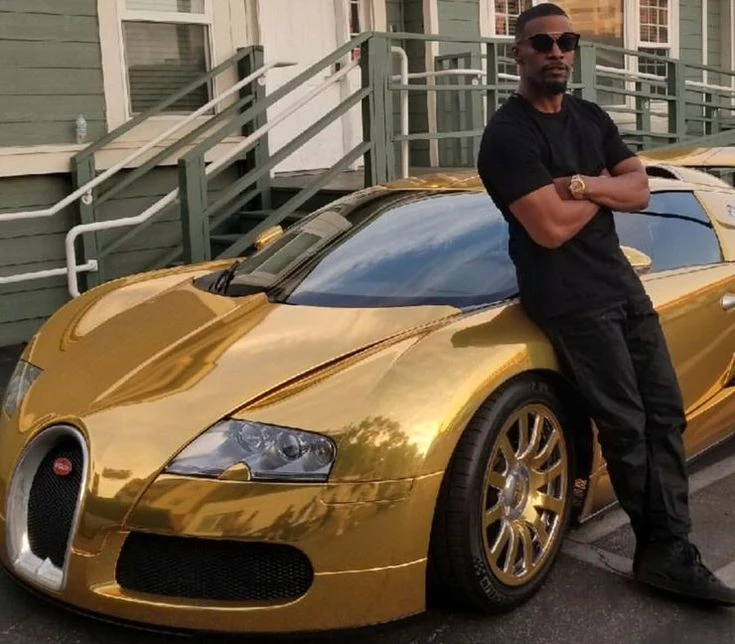
This celebrity news photograph was taken by an uncredited paparazzi photographer in August 2017 and published in the Daily Mail tabloid article "Jamie Foxx Arrives at Nobu Malibu in Gold Chrome Bugatti Veyron". It shows Jamie Foxx next to his gold-plated Bugatti. I found this source at https://www.dailymail.co.uk/tvshowbiz/article-4766798/Jamie-Foxx-arrives-Nobu-Malibu-gold-chrome-Bugatti.html. This artifact is significant to my exhibit because it shows the complete absurdity of these cars. They have access to movie stars and actors and people like that, and it's a car that has a presence, that's why these people are buying them. And still today they do.
Daily Mail. "Jamie Foxx Arrives at Nobu Malibu in Gold Chrome Bugatti Veyron." Daily Mail, August 2017. https://www.dailymail.co.uk/tvshowbiz/article-4766798/Jamie-Foxx-arrives-Nobu-Malibu-gold-chrome-Bugatti.html (Fair use, educational, celebrity news photograph — Daily Mail / Associated Newspapers) [Source]
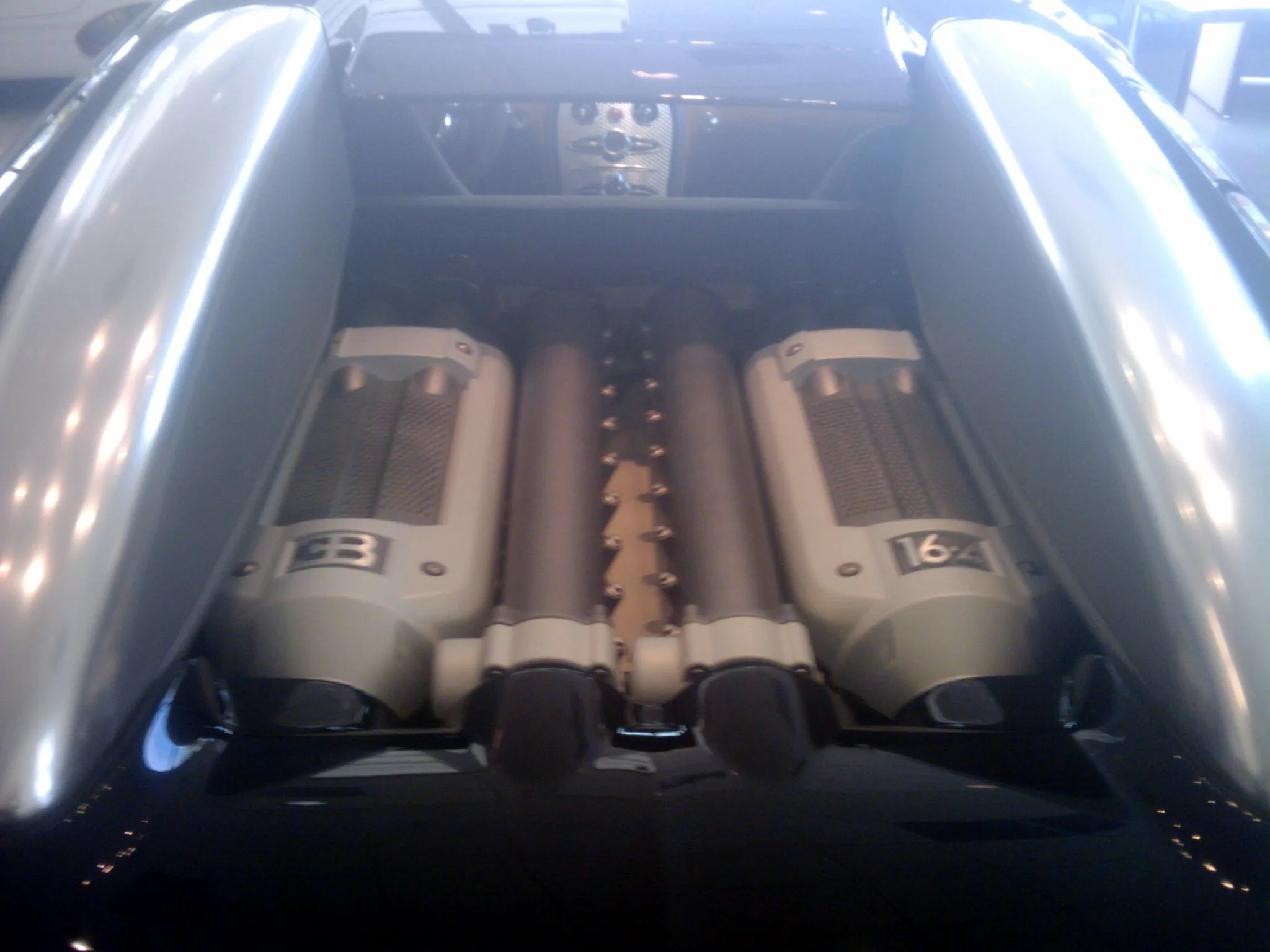
This photograph was taken by Dane Poset in 2010 and archived at Wikimedia Commons via Panoramio under CC BY-SA 3.0. It shows the W16 engine, those two V8s right next to each other. You can see how massive this engine bay is, how wide and how heavy that must have been. This source is held at https://commons.wikimedia.org/wiki/File:W-16_on_a_Bugatti_Veyron_-_panoramio.jpg. This artifact is significant to my exhibit because it shows how much they had to overcome to reach that 1,000 horsepower and over 200 miles an hour that this car eventually reached.
Dane Poset, *W16 Engine on a Bugatti Veyron Chassis*, 2010, Wikimedia Commons, CC BY-SA 3.0. (CC BY-SA 3.0) [Source]
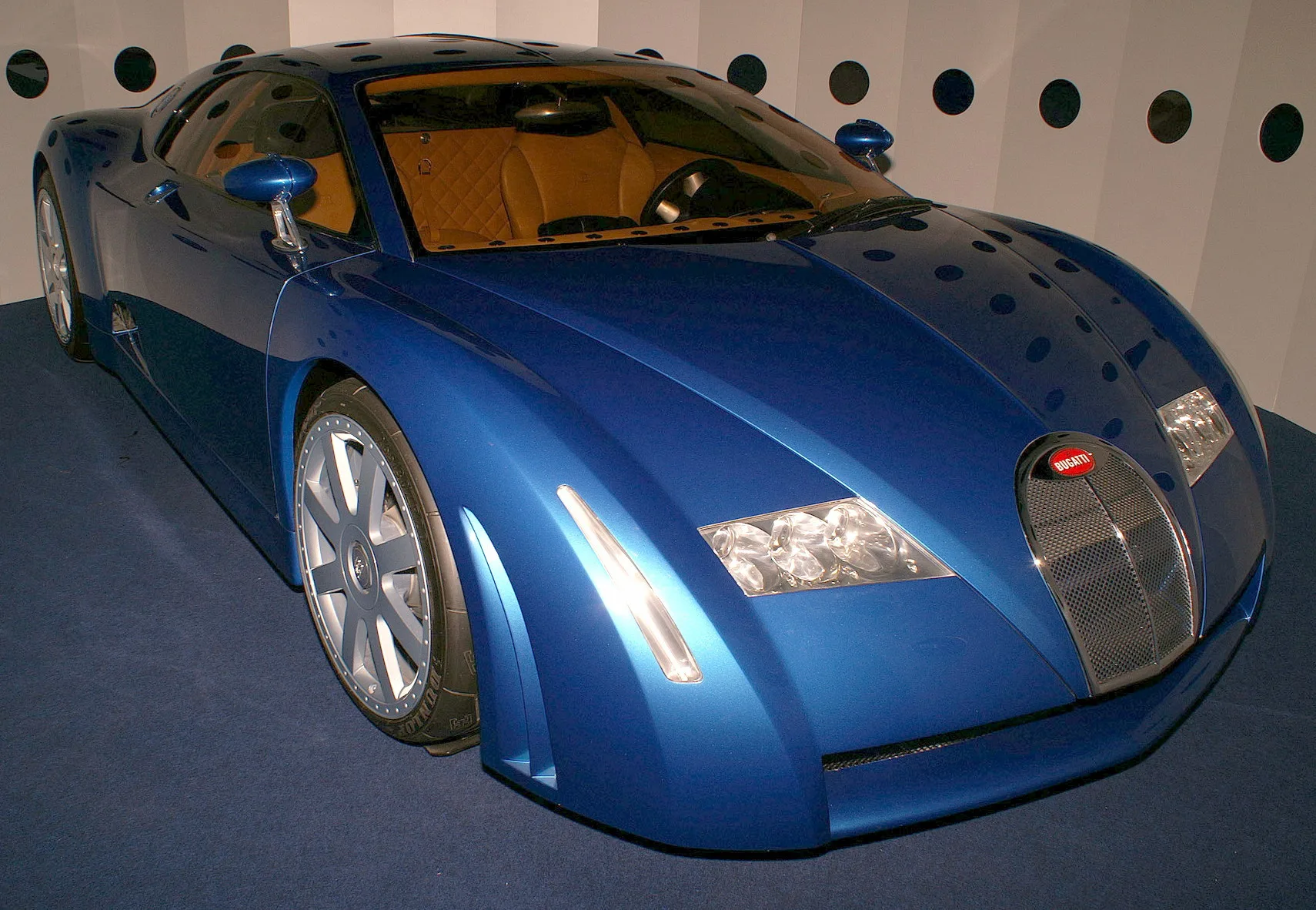
This photograph was taken by Wikimedia Commons contributor Scuderi Ferrari in 2007 (photograph of the 1999 EB 18.3 Chiron concept on display) and archived at Wikimedia Commons in the public domain. It shows the Bugatti Veyron concept car, showing where this car came from, and how different it looks from what it actually became, through those many iterations by the engineers. This source is held at https://commons.wikimedia.org/wiki/File:Bugatti_Chiron_(8162).jpg. This artifact is significant to my exhibit because they had to overcome so much in creating the actual prototype to achieve the goals they wanted to. That's why this EB 18.3 Chiron concept is important to show off, it just looks so much different. You can see the front angle of the car and all that.
Scuderi Ferrari, *Bugatti EB 18.3 Chiron Concept*, 2007, Wikimedia Commons, Public Domain. (Public domain) [Source]
 4 pages
Bugatti AG Chassis 5.0 Validation Prototype, 2005
This press photograph was released by Bugatti AG / Volkswagen Group in 2005 as factory press material documenting the chassis 5.0 validation prototype that ran the 407 km/h Ehra-Lessien certification with Uwe Novacki on 19 April 2005, with the photographs reproduced in Supercars.net's October 2025 retrospective. It shows the Bugatti AG chassis validation prototype, 2005. This car is beautiful and it was shown off to the elite. You can just see how much of a presence this car had and how luxurious they look. The locations these were at and the pictures that were taken are so professional and absurd. I found this source at https://www.supercars.net/blog/bugatti-veyron-chassis-5-0-the-dream-that-defined-the-hypercar-era/. This artifact is significant to my exhibit because it's such a cool car, and it's something you see today and still look at and think "wow." But you can start to see the age of it, and I think it's apparent in some of these pictures.
Bugatti AG, Bugatti Veyron Chassis 5.0 Validation Prototype, 2005, press archive via Supercars.net.
Gallery
Additional artifacts
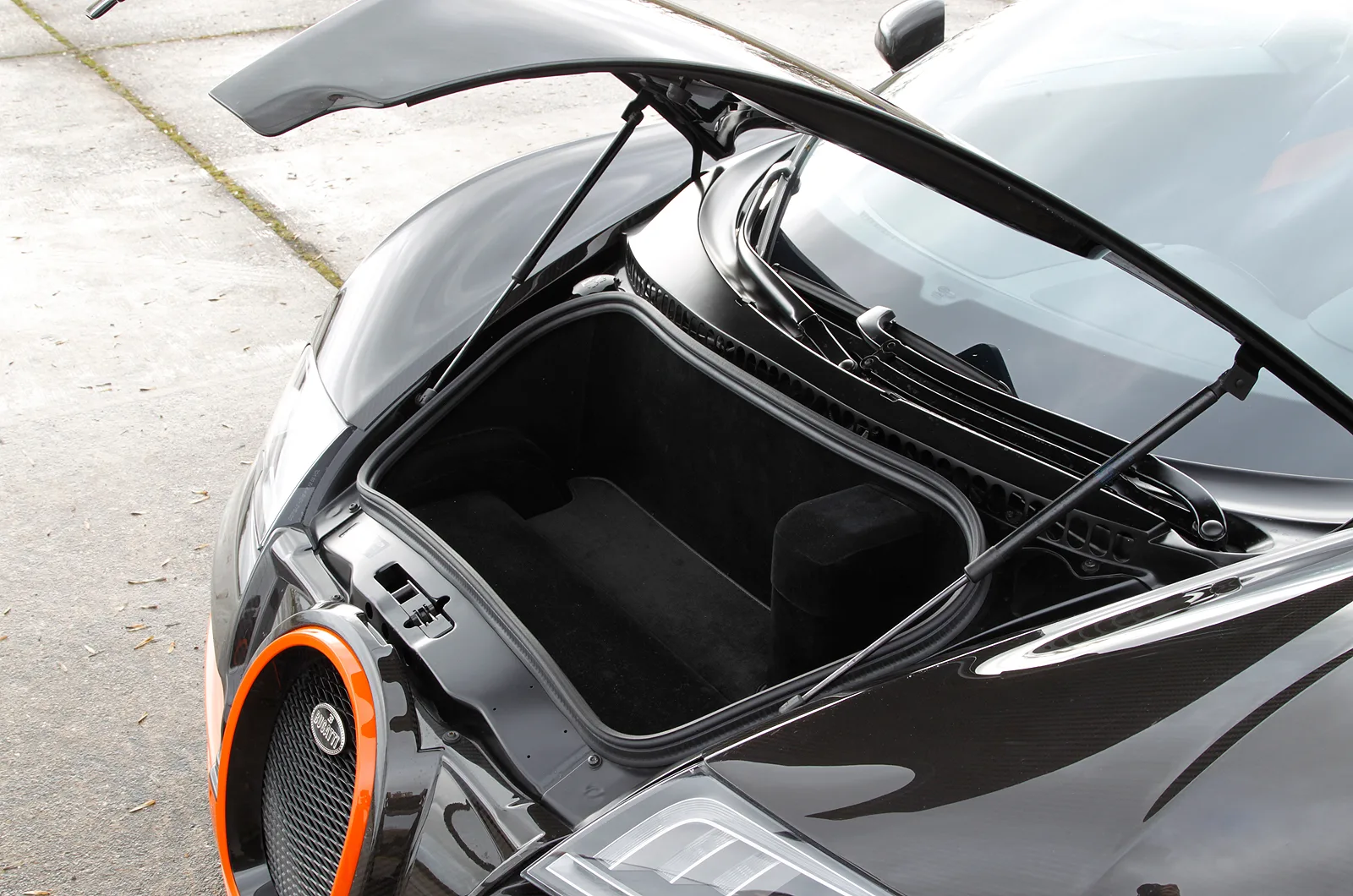
Page 1 of 2 — Autocar, Bugatti Veyron Retrospective Photograph, via Autocar 2005-2015 review.
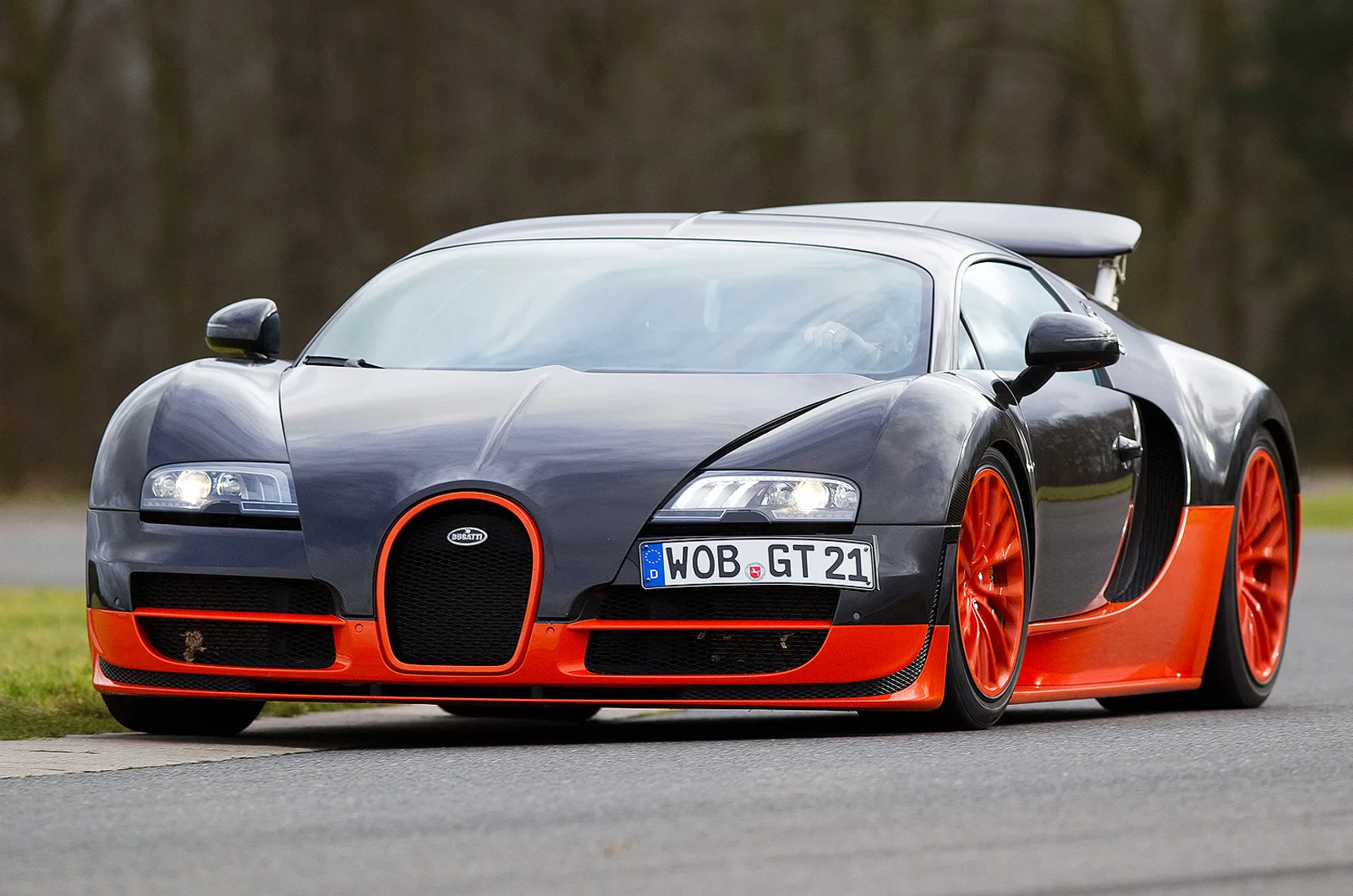
Page 2 of 2 — Autocar, Bugatti Veyron Retrospective Photograph 2.
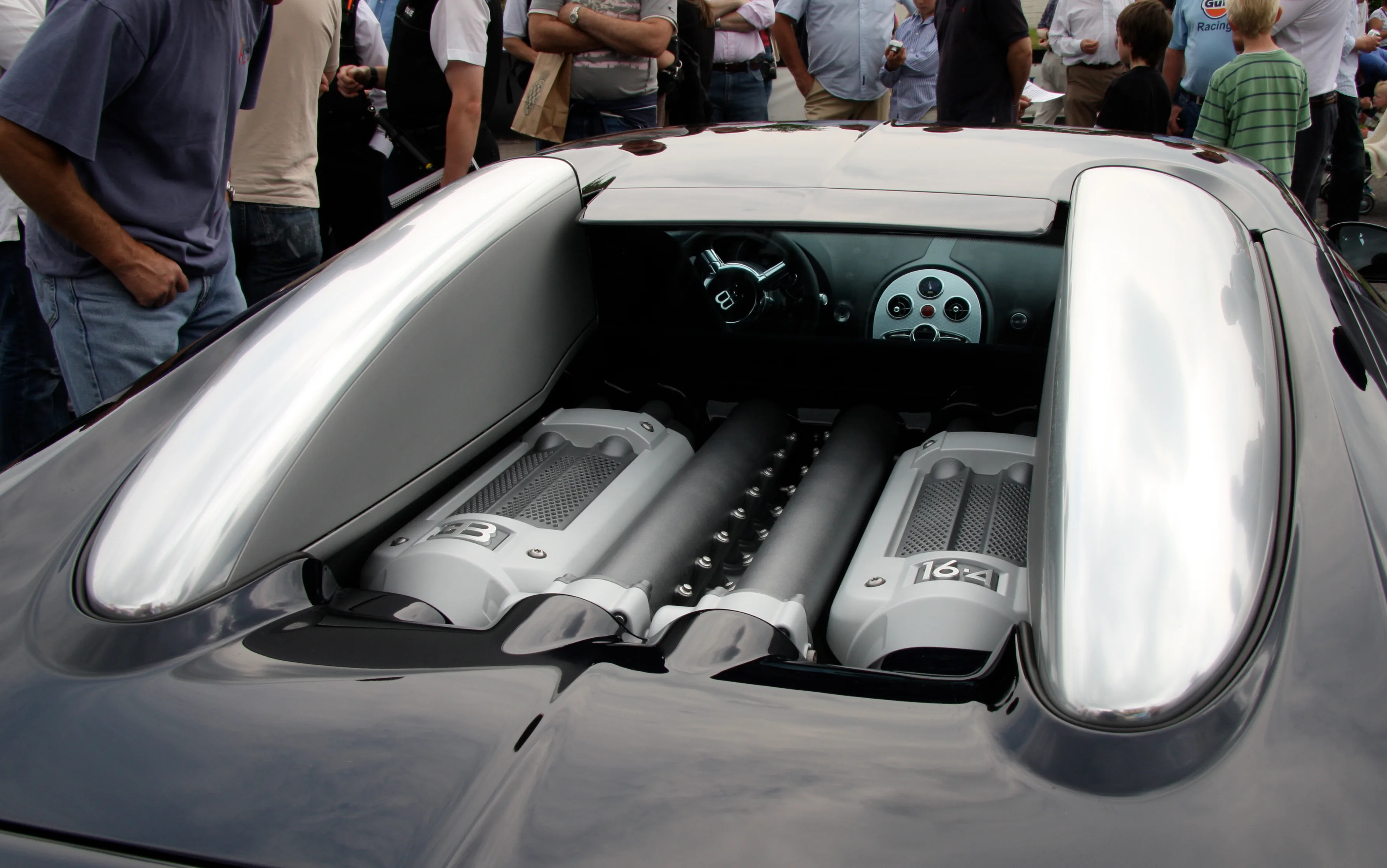
Brian Snelson, *Bugatti Veyron 8.0-litre W16 Engine*, 1 June 2008, Wikimedia Commons, CC BY 2.0. [Source]
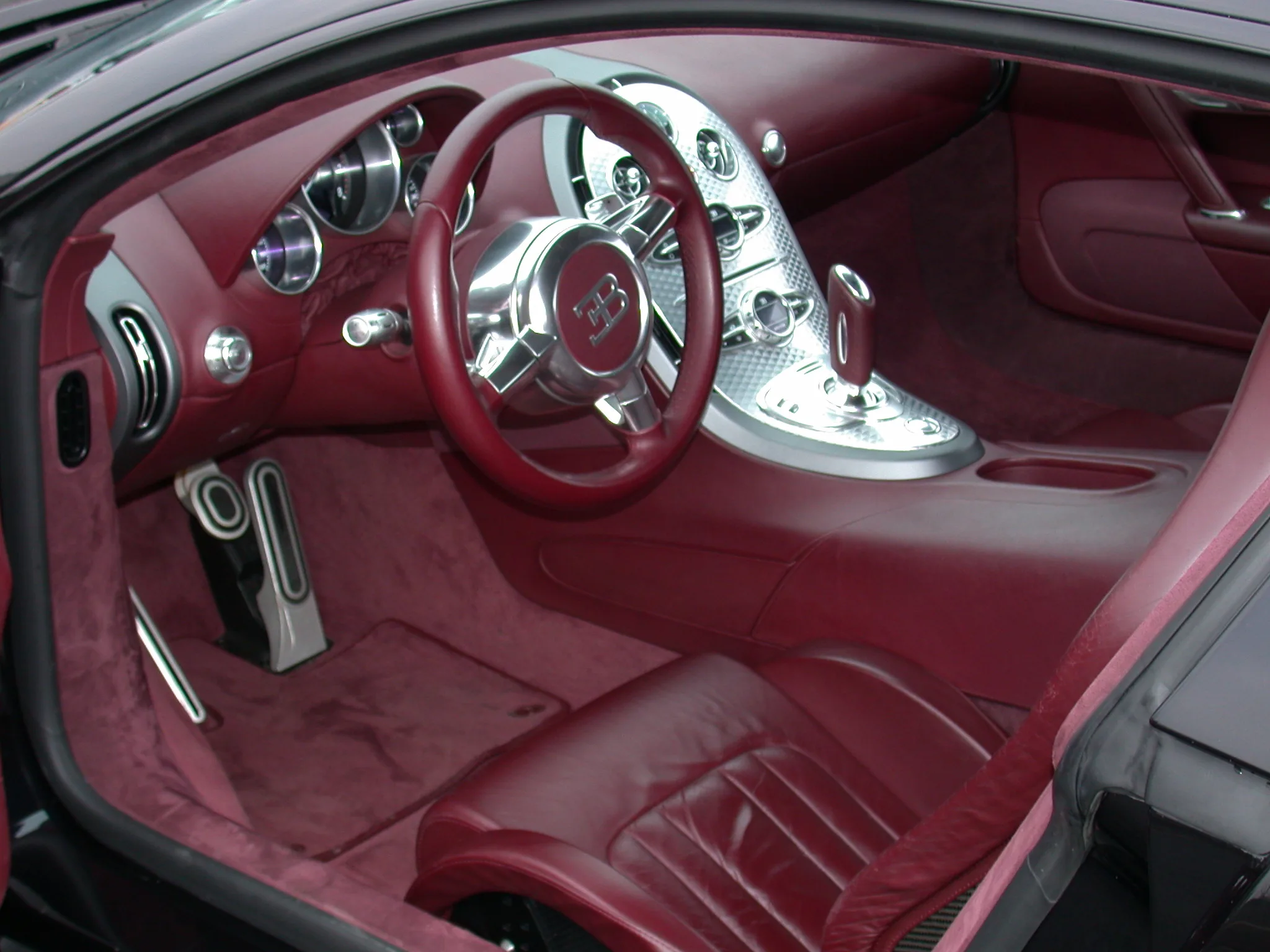
Michael KR, *Bugatti Veyron Interior*, 23 February 2007, Wikimedia Commons, CC BY-SA 4.0. [Source]
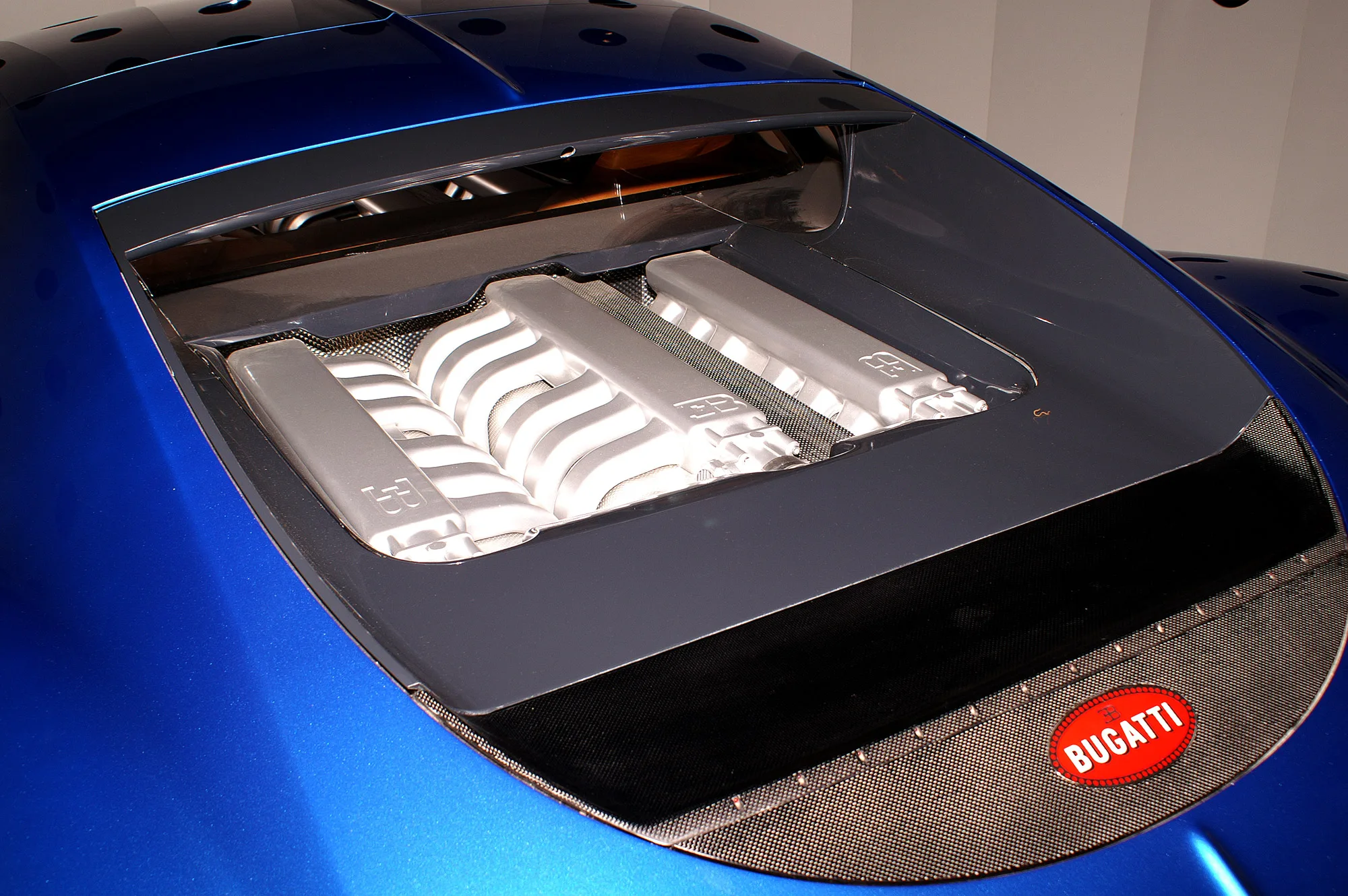
Scuderi Ferrari, *Bugatti EB 18.3 Chiron Concept, Rear*, 2007, Wikimedia Commons, Public Domain. [Source]
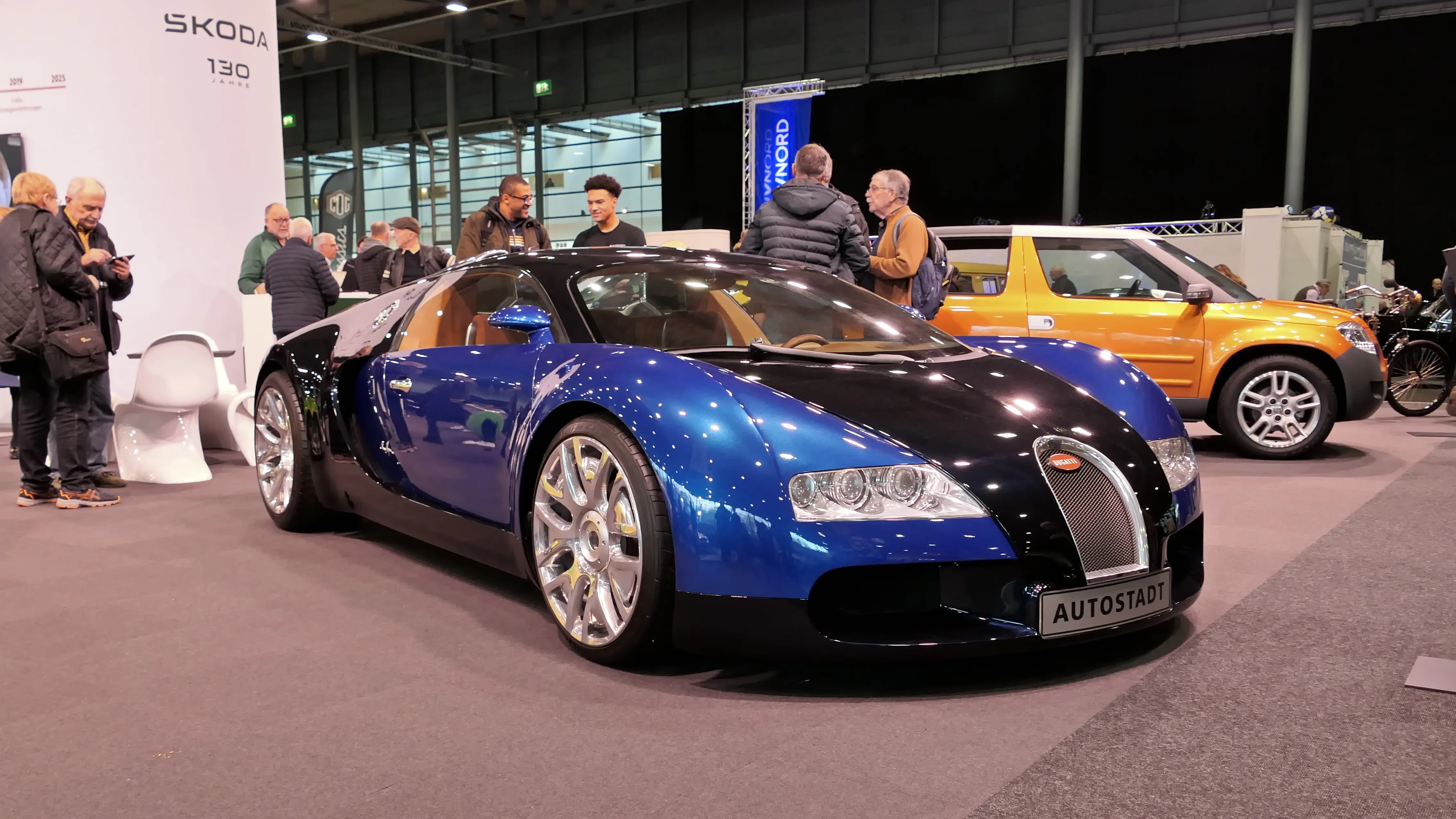
More Cars, *Bugatti Veyron 18.4 Concept*, 2025, Wikimedia Commons, CC BY 4.0. [Source]
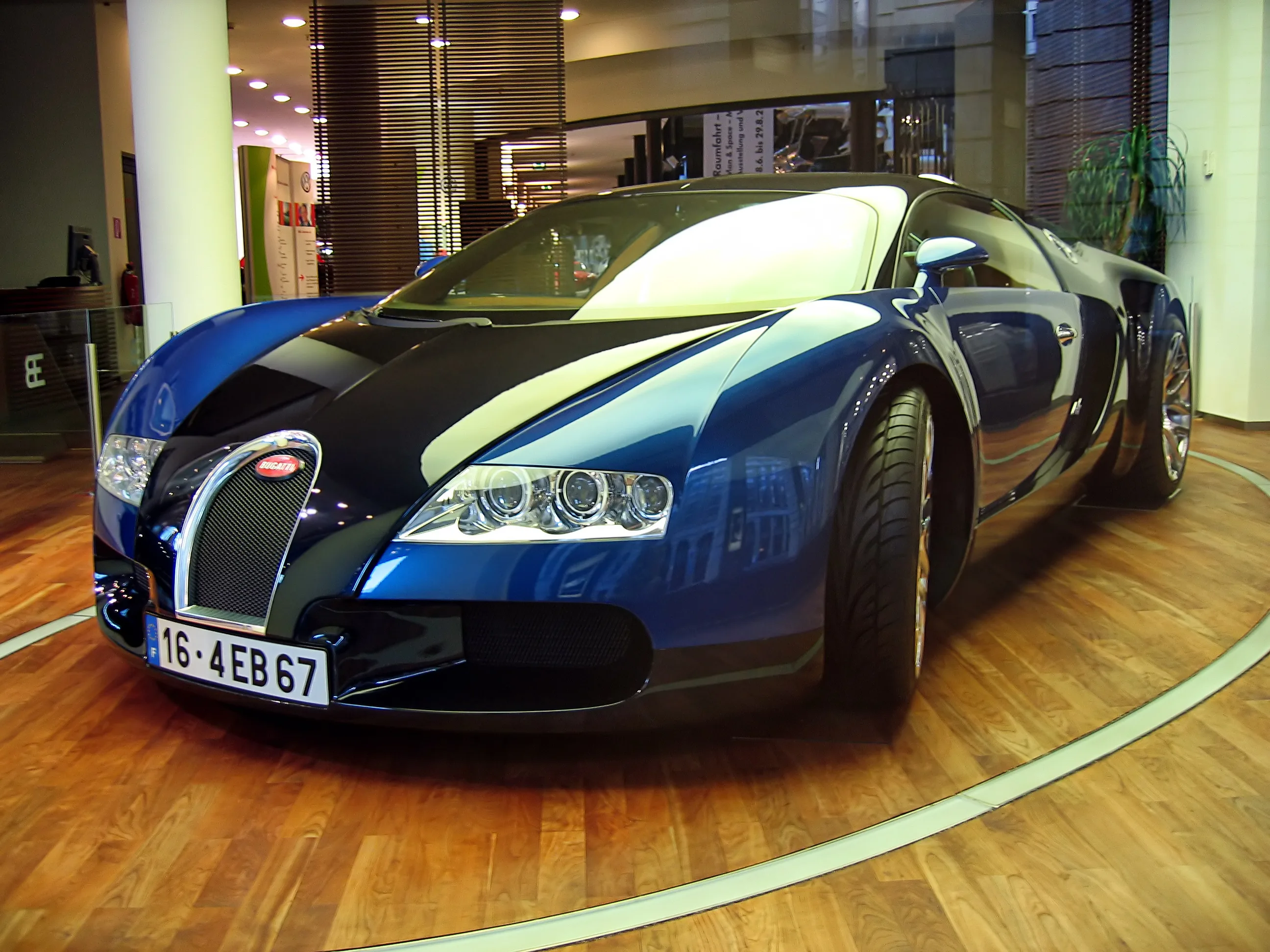
GerardM, *Bugatti Veyron 16.4 Pre-Production*, 2004, Wikimedia Commons, CC BY-SA 3.0. [Source]
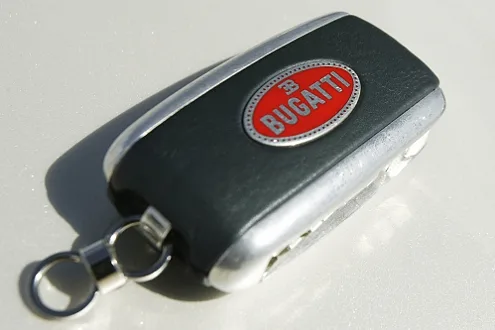
EricS, *Bugatti Veyron Top-Speed Key*, 19 October 2005, Wikimedia Commons, Public Domain. [Source]
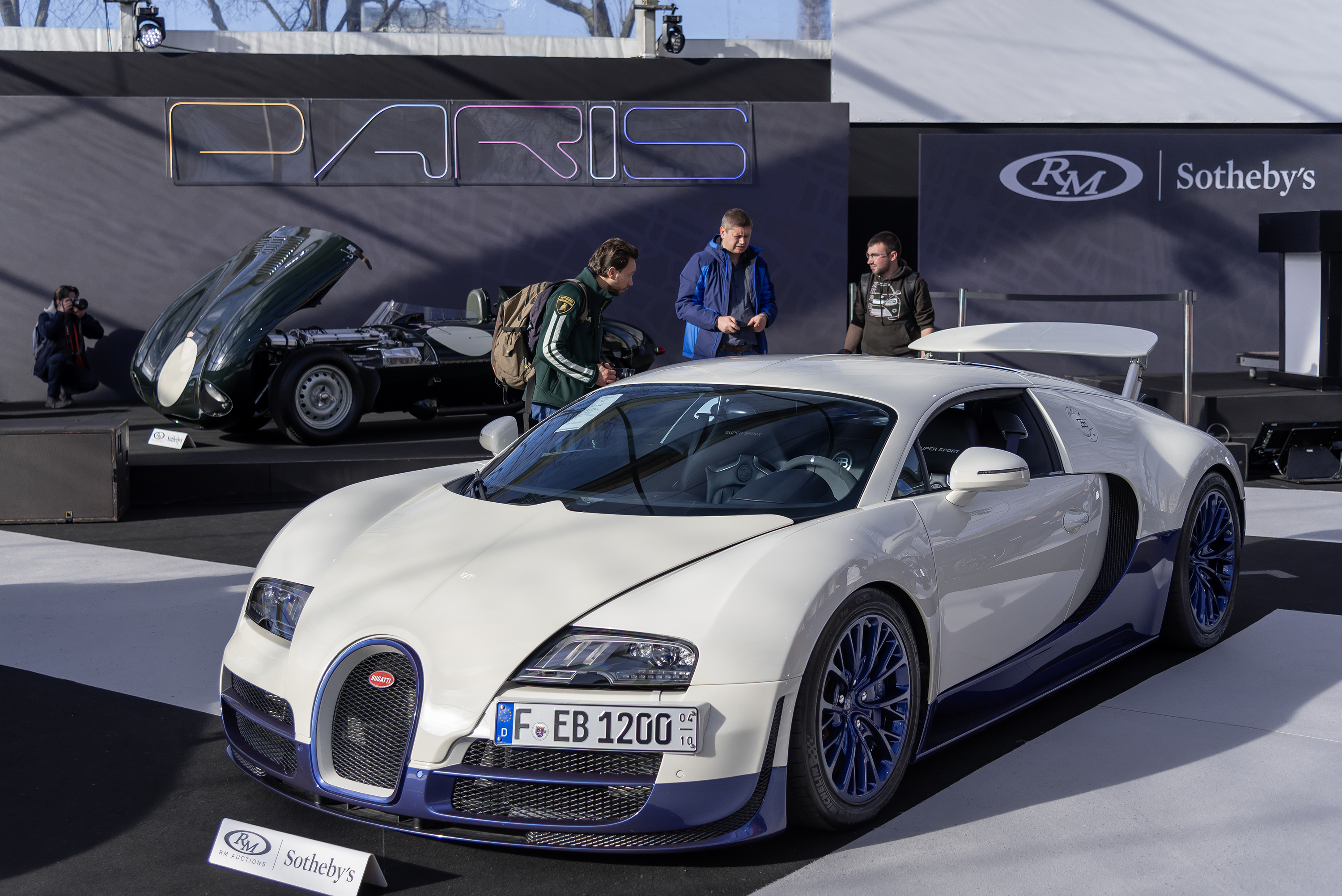
Page 1 of 2 — Alexandre Prevot, Bugatti Veyron 16.4 Super Sport, 2020, Wikimedia Commons, CC BY-SA 4.0.
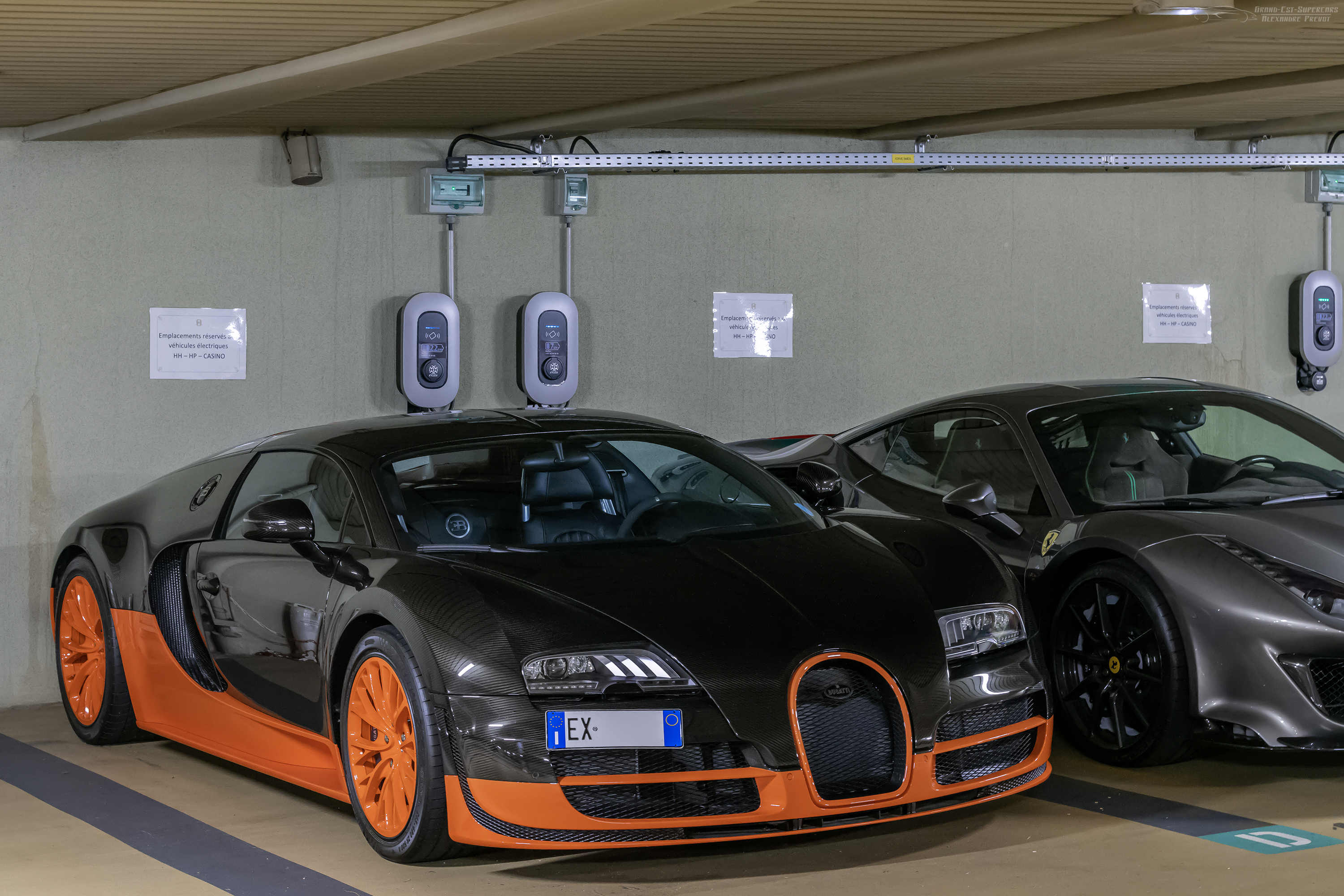
Page 2 of 2 — Alexandre Prevot, Bugatti Veyron 16.4 Super Sport World Record Edition, 2023, Wikimedia Commons, CC BY-SA 4.0.